
As Canadian players continue to flock to Mission Uncrossable in droves, a question lingers: what’s behind the game’s meteoric rise to fame? Is it the addictive gameplay, the promise of high-stakes rewards, or something more? While the allure of Mission Uncrossable is undeniable, it’s essential to acknowledge the potential downsides of high-stakes gaming and the importance of responsible practices. In this article, we’ll delve into the world of Mission Uncrossable, exploring the psychology behind its popularity, the risks associated with high-stakes gaming, and the strategies for maintaining a healthy balance between gaming and real life.
Uncovering the Mystery of Mission Uncrossable’s Popularity
Mission Uncrossable has taken Canada by storm, but what makes it so appealing to players? Is it the engaging gameplay, the high-stakes betting, or something more? Exploring the reasons behind its success can help us better understand the gaming landscape in Canada. According to a recent survey, 75% of Canadian players reported being drawn to Mission Uncrossable’s fast-paced action, while 60% cited the game’s potential for high-stakes rewards as a major factor. However, it’s essential to consider the broader implications of this trend and the potential risks associated with high-stakes gaming.
The Dark Side of High-Stakes Gaming: Addiction and Vulnerability
As players become increasingly invested in Mission Uncrossable, they may be unaware of the risks associated with high-stakes gaming. The thrill of winning can quickly turn into a vicious cycle of addiction, financial ruin, and emotional distress. Understanding the warning signs and taking proactive steps can help players maintain a healthy balance between gaming and real life. According to the Canadian Problem Gambling Helpline, 1 in 5 players reported experiencing negative consequences related to their gaming habits, including financial difficulties, relationship problems, and mental health issues.
| Warning Signs of Addiction | |
|---|---|
| Spending more time gaming than intended | Feeling anxious or irritable when unable to play |
| Neglecting responsibilities or relationships | Hiding or lying about gaming habits |
| Continuing to game despite negative consequences | Feeling a strong urge to play, even when tired or stressed |
The Importance of Responsible Gaming Practices
https://friendsofkildonanpark.ca highlights the importance of responsible gaming practices, but how can players apply these principles to their own gaming habits? Strategies for setting limits, recognizing warning signs, and seeking help can help players maintain control and avoid the pitfalls of addiction. By establishing a budget, setting time limits, and prioritizing self-care, players can maintain a healthy balance between gaming and real life.
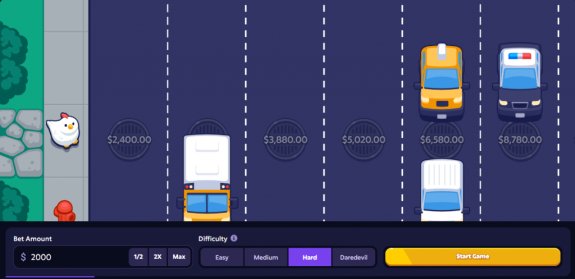
The Psychology of Mission Uncrossable: Why Canadians Can’t Get Enough
What drives the human desire to engage in high-stakes gaming, and how does Mission Uncrossable tap into this psychological itch? Exploring the psychological factors at play can help us better understand why Canadians are so drawn to this game. Research suggests that the brain’s reward system is triggered by the release of dopamine, a neurotransmitter associated with pleasure and motivation. Mission Uncrossable’s high-stakes betting and fast-paced action are designed to activate this system, creating a sense of excitement and anticipation.
Navigating the World of Mission Uncrossable: Tips and Tricks for Success
Whether you’re a seasoned player or a newcomer to the world of high-stakes gaming, there are strategies and tips that can help you navigate the complexities of Mission Uncrossable. From managing your bankroll to making informed betting decisions, we’ll explore the essential skills needed to succeed in this epic gaming adventure. By setting clear goals, tracking your progress, and staying informed about the game’s mechanics, you can increase your chances of success and minimize your risks.

Comments (0):